
Keeping your car in good shape shouldn’t be complicated. With the right preventive steps and timely maintenance, you can significantly extend your vehicle’s lifespan and improve day‑to‑day reliability. If you’re searching for car care tips in Woodlawn, you’re in the right place. This guide brings practical, easy‑to‑follow advice that every local driver can use, whether you commute to work, run errands around town, or take weekend trips.
At Parker Automotive, we’ve been helping drivers in Woodlawn and surrounding Southern Illinois communities keep their vehicles running smoothly and safely for years. Our focus is on practical vehicle care that saves money and prevents breakdowns.
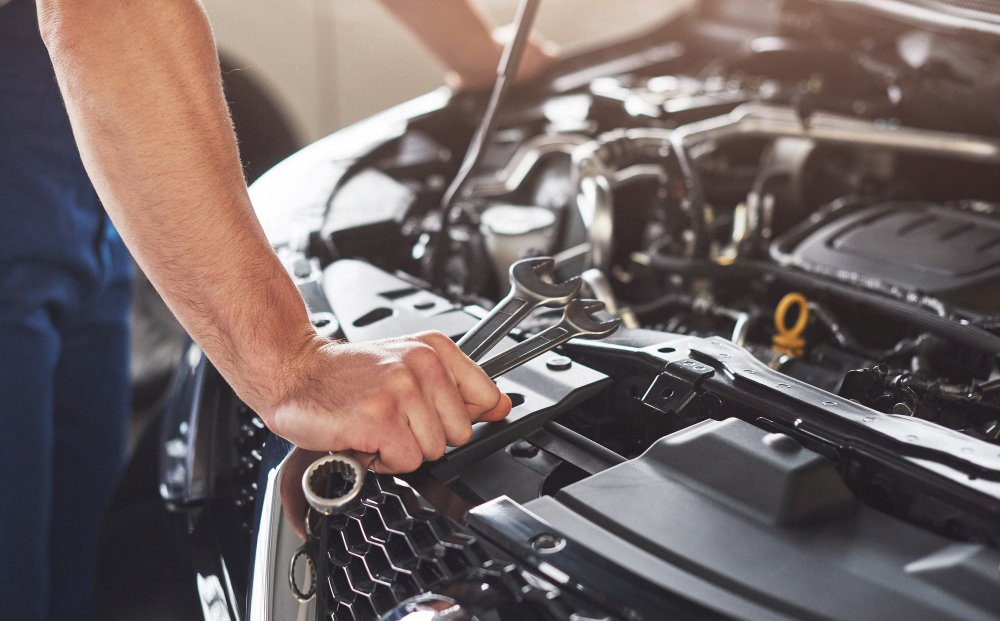
Why Vehicle Maintenance Matters in Woodlawn
Regular car care isn’t just about convenience. It’s about safety, resale value, and avoiding costly repairs later. In Woodlawn’s changing seasons, vehicles face challenges like hot summer temperatures, cold winters, and the wear that comes with everyday driving. Proactive maintenance helps prevent breakdowns, improves performance, and keeps you safer on the road.
Whether it’s checking fluid levels, inspecting tires, or scheduling regular inspections with a trusted local shop, a little attention today can prevent big problems tomorrow.
Essential Car Care Tips You Can Do Yourself
You don’t need to be a mechanic to keep your vehicle in good shape. These foundational car care tips in Woodlawn can be done at home or during routine service visits.
1. Check and Change Your Oil Regularly
Routine oil changes are one of the most important car care tasks you can do. Fresh engine oil keeps internal components lubricated, reduces friction, and helps prevent engine wear. Most manufacturers recommend oil and filter changes every 3,000 to 7,500 miles depending on your car’s age and driving habits. Regular oil changes also help your engine run more efficiently and improve fuel economy.
2. Watch Your Tire Pressure and Condition
Under‑inflated or over‑inflated tires can reduce fuel efficiency and lead to uneven tread wear. Check your tire pressure monthly and inspect the tread for cuts, bulges, or uneven wear. Tires that are over‑ or under‑inflated can also affect traction and handling, especially on slick roads. A properly inflated tire improves fuel economy and ensures better grip on the road.
Check your vehicle owner’s manual or the label inside your driver door for the correct pressure and consider tire rotation every 6,000–8,000 miles.
3. Monitor Fluids and Filters
Your vehicle relies on several fluid systems to operate smoothly:
- Coolant: Keeps your engine from overheating in summer and freezing in winter.
- Brake Fluid: Essential for responsive braking.
- Transmission Fluid: Helps protect gears and improve shifting.
- Windshield Washer Fluid: Keeps visibility clear.
Low or dirty fluids can cause poor performance or damage. Many drivers forget to check these until there’s a problem, but regular inspections can catch issues early. A full fluid check at service includes topping off or replacing fluids as needed.
Similarly, air and cabin filters keep your engine healthy and your interior air clean. Dirty filters can hurt fuel efficiency and cabin comfort.
4. Inspect Your Brakes Frequently
Brakes are a safety system you don’t want to ignore. Strange noises, vibration during braking, or a softer pedal feel can all be early warning signs. If your brakes are showing signs of wear, schedule an inspection right away. Trying to delay brake service can make tires or suspension components wear prematurely and create unsafe conditions.
Brake systems can be complex and should be examined by a professional regularly, especially before long trips or harsh winter weather.
5. Check Battery Health and Clean Terminals
Battery problems are one of the top causes of roadside breakdowns. Especially in extreme temperatures, battery output can drop or connections can corrode. Check the battery for corrosion and clean terminals if you see buildup. Most batteries last 3–5 years, so if yours is in that age range, have it tested or replaced before you get stranded.
6. Don’t Ignore Dashboard Warning Lights
Modern vehicles have sophisticated sensors, and when something isn’t right a warning light will often appear on the dashboard. Whether it’s the check engine light or ABS warning, take it seriously. Ignoring warning messages can lead to bigger repairs later. A quick diagnostic scan at a shop like Parker Automotive can tell you exactly what’s going on.
Seasonal Car Care Tips for Local Drivers
Southern Illinois weather varies a lot year to year, and seasonal maintenance can make a big difference in how smoothly your car runs.
Winter Car Care
Cold temperatures can affect battery performance, tire pressure, and fluid viscosity. Before winter hits, make sure to:
- Test battery health.
- Check antifreeze levels and radiator condition.
- Inspect tires for tread depth and inflation.
- Top off winter washer fluid.
These steps help prevent cold‑weather breakdowns and improve safety on icy, snowy roads.
Summer Car Care
Summer heat can strain your cooling system and air conditioning. Before warm weather hits:
- Inspect coolant and radiator hoses.
- Service the A/C system if it’s not cooling properly.
- Ensure oil is changed to the correct viscosity for hotter climates.
Keeping your cooling system in top shape can prevent engine overheating and costly repairs.
Spring and Fall Checks
Spring is a good time for a thorough check after winter road salt and grime. Fall is ideal for prepping your vehicle before the cold arrives. Fluid checks, tire rotation, and brake inspections during these seasons can catch early wear and prevent late‑year failures.
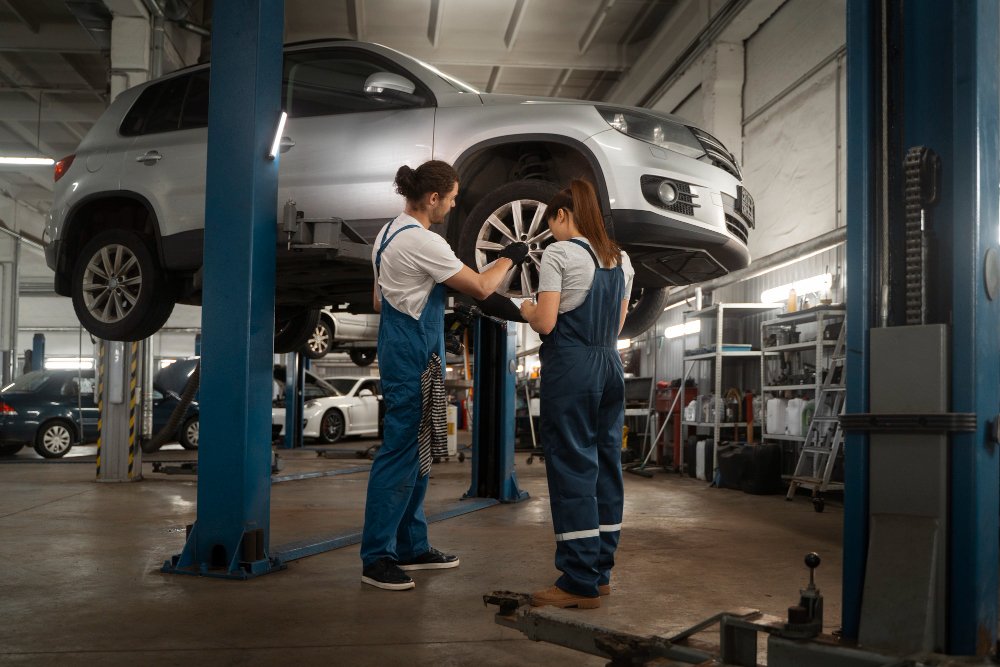
When to Seek Professional Help
While many maintenance checks are easy to do yourself, others are best handled by professionals. Complex systems like engine tuning, electrical diagnostics, suspension work, and brake repairs require specialized tools and expertise. Ignoring issues in these areas can lead to costly breakdowns and unsafe driving conditions.
At Parker Automotive, our experienced ASE‑certified technicians are trained to handle all types of repairs and maintenance. From routine services to advanced diagnostics, we help Woodlawn drivers stay safe on the road.
FAQs: Car Care in Woodlawn
How often should I change my oil?
Most vehicles require an oil change every 3,000–7,500 miles depending on your car’s age and use. Always consult your owner’s manual and follow manufacturer recommendations.
What does routine maintenance include?
Routine maintenance usually covers oil and filter changes, fluid checks, brake inspections, tire pressure and rotation, battery testing, and inspecting belts and hoses.
Why is preventive maintenance important?
Preventive care catches issues early, improves safety, and often costs less than major repairs after a failure. It also helps keep your vehicle running efficiently and holding value.
Final Thoughts
Taking a proactive approach with car care tips in Woodlawn helps you avoid unexpected breakdowns, improve vehicle performance, and save money. Whether you’re checking tire pressure at home or scheduling a full service visit, every bit of care counts.
For reliable maintenance, expert advice, and honest service in Woodlawn, trust the team at Parker Automotive. We’re here to help keep your vehicle in top condition.
Contact Parker Automotive
Parker Automotive
5800 E IL HWY 15,Woodlawn, IL 62898
Phone: (618) 735‑9000
Email: support@parkerauto.net